


As generative artificial intelligence blurs the line between real and fabricated, society faces an unprecedented crisis of trust. How do we protect reality when seeing is no longer believing?
For centuries, human beings have relied on a fundamental sensory rule: seeing is believing. A photograph, a video recording, or an audio clip served as immutable proof of an event, a statement, or an action. Today, that foundational pillar of truth is crumbling. Powered by rapid advancements in generative artificial intelligence, the era of the deepfake has arrived, turning the digital landscape into a minefield of synthetic deception.
The Rise of the Synthetic Reality
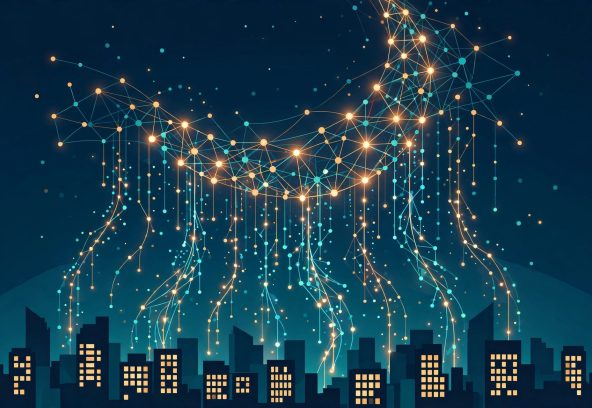
Deepfakes—synthetic media where a person in an existing image or video is replaced with someone else’s likeness using neural networks—have evolved at a breathtaking pace. What once required Hollywood-budget visual effects teams and weeks of rendering can now be accomplished by a teenager on a laptop in a matter of seconds.
Beyond video, the technology encompasses hyper-realistic audio cloning and AI-generated text capable of mimicking specific human writing styles with eerie precision. While the entertainment and creative industries have found innovative uses for these tools, malicious actors have seized upon them for far darker purposes. From targeted political interference and financial fraud to non-consensual pornography and reputational destruction, the democratization of deception has outpaced our social and legal safeguards.
Disinformation as a Weapon of Mass Distraction
The true danger of deepfakes lies not just in the fakes themselves, but in the “infodemic” they create. Disinformation campaigns thrive in environments of ambiguity. When high-profile fabricated media enters the public sphere, it achieves two devastating goals simultaneously:
- It deceives: It convinces audiences of events that never happened or words that were never spoken.
- It creates the “liar’s dividend”: It allows guilty parties to dismiss genuine, damning evidence of their own misconduct simply by claiming, “That video is a deepfake.”
During high-stakes geopolitical conflicts and election cycles, this erosion of shared reality threatens the very fabric of democratic societies. When citizens can no longer trust the media they consume, apathy, cynicism, and polarization inevitably take root.
The Liar’s Dividend: A phenomenon where the existence of deepfakes makes it easier for public figures to deny real, verified evidence of wrongdoing by falsely claiming the footage has been artificially manipulated.
Building the Defense: Technology, Policy, and Literacy
Fortunately, humanity is not entirely defenseless in this battle for truth. A multi-layered defense strategy is currently taking shape across the globe:
1. Technological Countermeasures
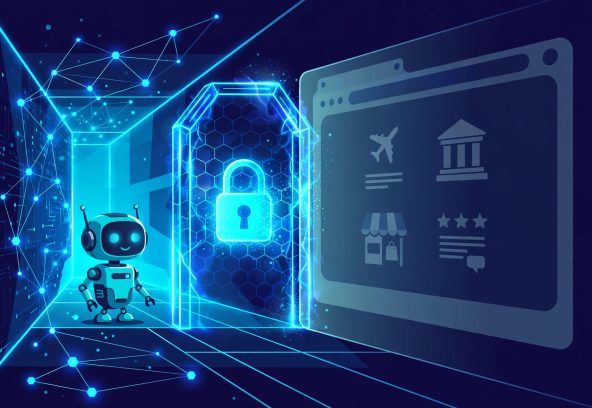
AI is fighting AI. Cybersecurity firms and tech giants are developing sophisticated detection algorithms designed to spot microscopic artifacts in synthetic media—such as unnatural blinking patterns, lighting inconsistencies, or frequency anomalies in audio. Concurrently, cryptographic provenance tools, championed by coalitions like the C2PA (Coalition for Content Provenance and Authenticity), are working to embed “digital birth certificates” into media, tracking a file’s history from the moment of capture to its final publication.
2. Legislative Frameworks
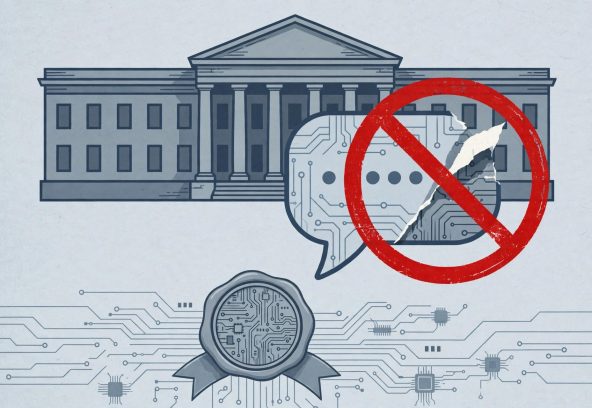
Governments worldwide are finally moving to regulate the wild west of generative AI. Legislation criminalizing the creation and distribution of non-consensual deepfake pornography, mandating watermarks on AI-generated content, and penalizing unlabelled political deepfakes are beginning to pass into law, though enforcement remains a complex global challenge.
3. Digital Media Literacy
Ultimately, the best firewall against disinformation is a critical human mind. Educational institutions and public awareness campaigns are shifting focus toward teaching media literacy. Citizens must learn to pause, verify sources, check multiple independent outlets, and resist emotional manipulation before sharing content online.
Conclusion: Preserving the Integrity of Truth
The battle for truth in the AI era is not a temporary hurdle; it is the new normal. As generative models continue to advance, the distinction between human-made and machine-made content will become increasingly invisible. Winning this battle requires an alliance between technologists, lawmakers, journalists, and everyday digital citizens. If we fail to build robust defenses against the tide of disinformation, we risk losing something far more precious than data—we risk losing our shared grasp on reality itself.